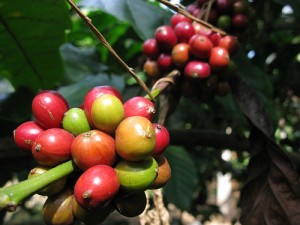
 The Orient records the consumption of coffee more as a health drink in its initial years since discovery. The Ethiopian monks and even the Sudanese took to coffee beans as a stimulant helping them to journey to places without getting tired. Therefore right from the time of its discovery it became an evident fact that the coffee beans contained certain chemical energizer that kept the body active. More was unraveled with researches which proved coffee to be a beverage having potential medicinal values.
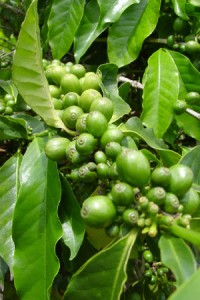
In the realm of coffee, green coffee it is to be noted is healthier than the roasted coffee beans.
The Merits:
Green coffee contains chlorogenic and caffeic acids. These polyphenolic compounds help in the absorption of free oxygen and hydroxyl radicals, which wears out the human cells and reduces the formation of new ones. Controlling these radicals, the polyphenols act as a catalyst for replenishing the dead cells. This helps prevent pre-ageing.
It also assists the liver to process fatty acids thus helping in considerable fat reduction. So the green coffee beans also have anti obesity properties.
As green coffee beans are not roasted they are resplendent in natural chemicals and have no cafestol, which otherwise would have pulled up the cholesterol level.
Green coffee is also considered immensely valuable as acute migraine medication.
The ferulic acid contained in the green coffee aggravates body metabolism and also increases human vasoreactivity.
There are many other advantages of green coffee which have propelled its popularity and have establishes it as a healthy beverage. One significant fact to be stated here is that in comparison to roasted coffee beans, the green ones stays fresh for a longer period of time. Making green coffee is a dexterous work as preserving the essence is as important as preserving the natural contents of the beans. Among the varieties of green coffee the best is the coffea Arabica from Ethiopia. Its deep fragrance much stimulates the senses. Often the green coffee is served with spices to make it a more invigorating drink